
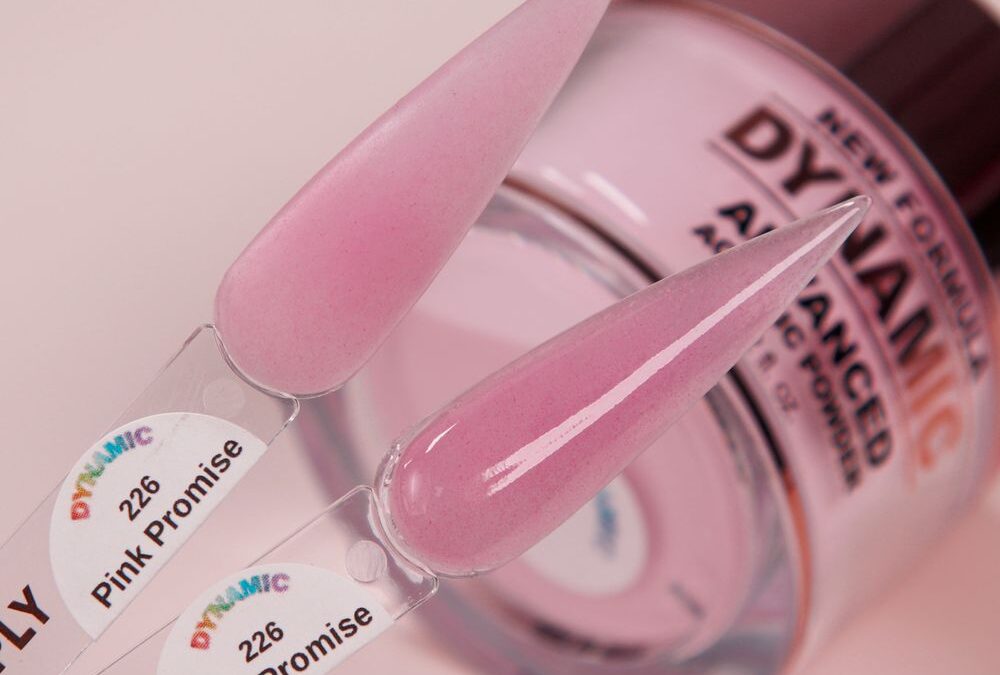
Quick answer: Pink Promise (#226) is a forgiving, creamy semi-opaque powder that makes a reliable sheer pink French base for everyday wear.
Start simple — why this shade helps you learn
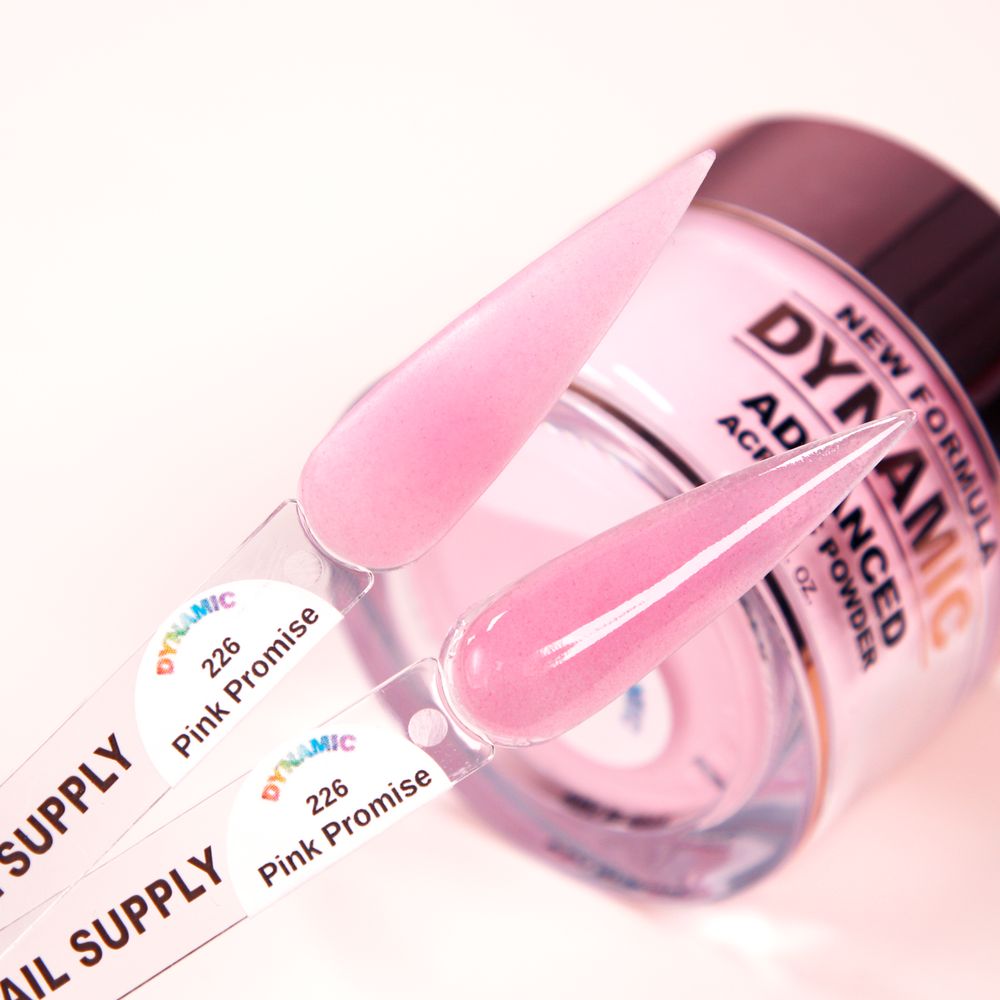
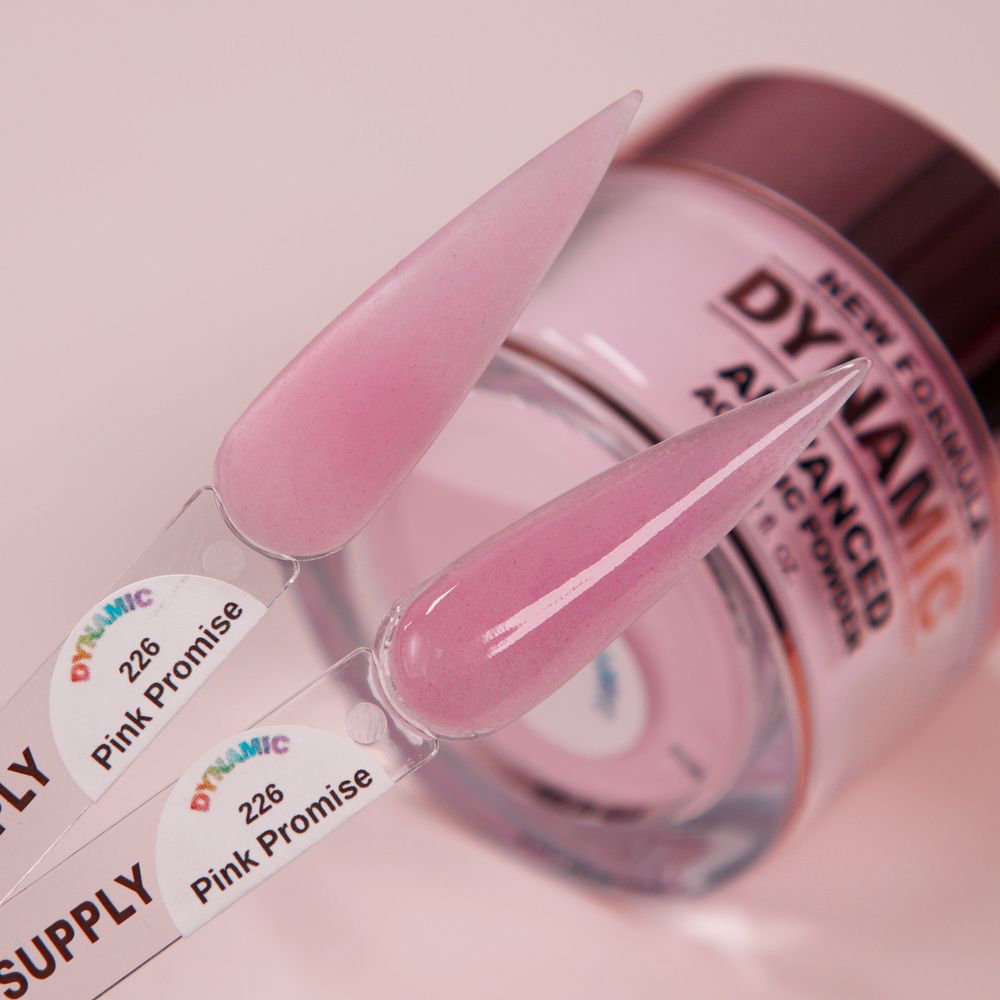
This particular sample reads soft baby pink to slightly mauve-leaning dusty rose with a subtle micro-speckled texture under a glossy finish. For a new nail artist, that means mistakes are more forgiving: brushstrokes and slight bead-size variations are less obvious than with fully opaque or neon colors. You can learn bead control and placement without the pressure of perfect coverage.
Essential prep for a crisp white tip
Good prep matters more here than heavy layering. Work on clean, dry nail plates, push back cuticles, and lightly buff the surface to remove shine. When you apply your acrylic, keep the first bead thin near the free edge to avoid the pink bleeding into the white tip area. Thin, even base beads help preserve the delicate semi-opaque look that defines a great sheer pink French base.
Step-by-step application for a neat French line
- Monomer ratio: Work with a slightly drier bead than you might for full-coverage sculpting — the powder looks best when the bead sits and levels without running.
- Base bead: Place a small bead along the nail plate, sweeping lightly toward the cuticle but stopping short to maintain natural depth.
- Tip bead: Use a separate small bead for the free edge. Keep the white tip crisp by making the pink bead stop just before the white line; feather the inner edge of the pink bead with a clean, slightly damp brush.
- Blend sparingly: Because Pink Promise shows fine micro-speckling, avoid overworking the surface. Minimal blending preserves that refined texture beneath gloss.
- Finish: Cure and finish with a glossy topcoat to heighten the subtle speckle and achieve that polished, natural look.
How to preserve the micro-speckle without muddying the line
The powder’s very fine speckling is part of its charm. Work in light layers so the speckle remains visible beneath the gloss; heavy sanding or aggressive buffing will flatten the effect. If you need to refine the pink-to-white border, use a clean, slightly moistened brush to nudge the line rather than sanding it into shape. When you want consistent daily results, keep your beads small and avoid mixing large amounts of powder and monomer at once because longer working time encourages overblending.
For an everyday routine that favors speed and consistency, consider using Pink Promise acrylic powder in your bead rotation to keep the base uniform while you practice crisp tip placement.
Common beginner mistakes and easy fixes
- Too-wet beads: They blur the white tip. Fix: use a firmer brush and pull a smaller bead.
- Overblending: Dulls the speckle and softens the tip. Fix: stop blending sooner and let the product self-level.
- Thick base near cuticle: Causes lifting. Fix: feather the bead back with a clean brush and wipe away excess before curing.
- Inconsistent bead size: Leads to patchiness. Fix: practice measuring beads on a tile until your eye develops rhythm.
Best for
- Technicians practicing French technique who want forgiving coverage.
- Clients who prefer a natural, everyday pink with a refined finish.
- Short, rounded nails or bridal looks that need a delicate base.
Not ideal for
- Bold, fully opaque color work where saturation is required.
- Heavy ombré designs that demand intense pigment layering.
- Extreme nail art that would obscure the powder’s fine speckle.
Handling, safety, and care notes
Use standard acrylic safety practice: work in a well-ventilated area, wear a dust mask when filing, and avoid skin contact with wet monomer. This product is labeled non-toxic and odor-free, but dust control and good salon hygiene keep your workspace safer and cleaner.
Final thoughts and next step
Pink Promise #226 gives you a steady learning platform: creamy semi-coverage, subtle speckle, and a glossy finish that flatters most nail shapes. For practice, set up a short session focused only on bead size and tip placement — repeat the same five nails until your lines look consistent.
Next step: choose a jar size that fits your practice routine and try two full French sets in a row to lock in control and speed; prices may change, and small jars are budget-friendly for practice work.